

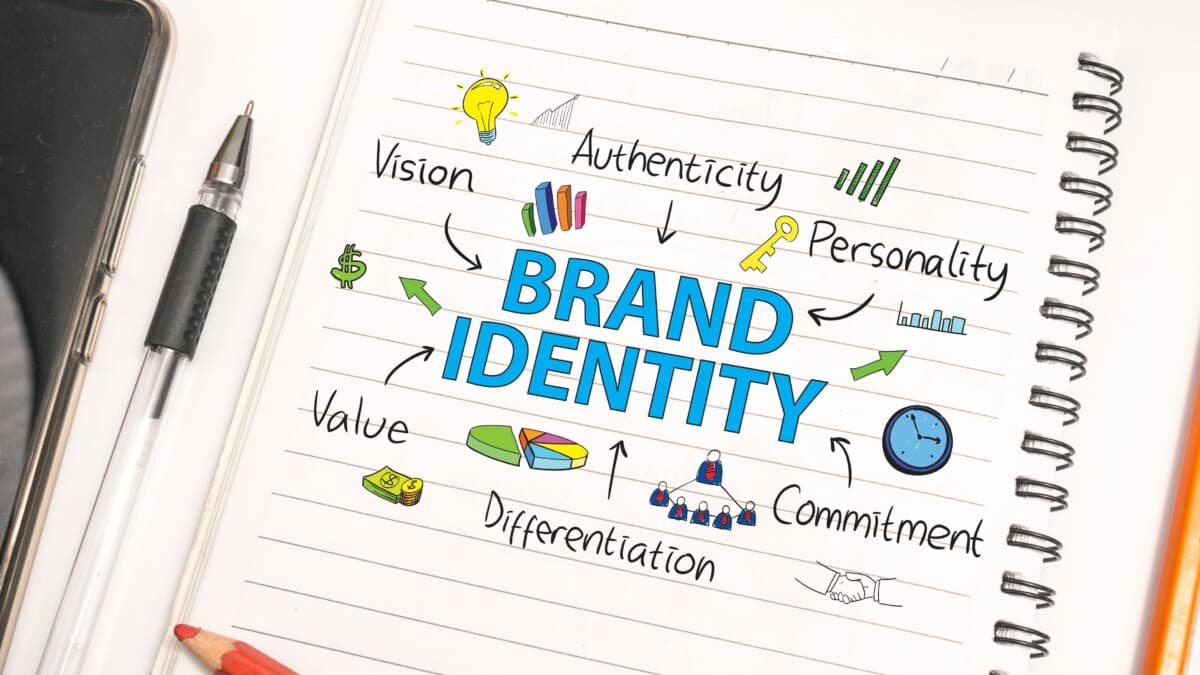
In 2026, businesses face more competition than ever before. Consumers have endless options, shorter attention spans, and higher expectations. A great product or service alone is no longer enough to stand out. Businesses need a strong, recognizable identity that communicates their values, builds trust, and creates lasting customer relationships.
This is where a well-defined brand identity becomes essential. A strong brand identity helps businesses differentiate themselves, attract the right audience, and create consistency across every customer touchpoint. Whether you’re launching a startup, growing an established company, or repositioning your business in a competitive market, investing in your brand identity is one of the smartest decisions you can make.
This guide explains how businesses can build a powerful brand identity in 2026 using proven strategies, modern branding principles, and customer-focused approaches.
What Is Brand Identity?
Brand identity is the collection of visual, verbal, and emotional elements that represent a business. It includes everything customers see and experience when interacting with your brand.
A strong brand identity includes:
- Logo design
- Brand colors
- Typography
- Messaging
- Tone of voice
- Website design
- Social media presence
- Customer experience
Together, these elements create a recognizable and memorable image that helps customers understand who you are and what you stand for. Many businesses partner with a professional brand identity agency to develop a cohesive identity that aligns with their goals and target audience.
Why Brand Identity Matters More in 2026
Consumer behavior has changed significantly over the last few years. Customers are no longer choosing businesses based solely on price or convenience. They prefer brands that feel trustworthy, authentic, and aligned with their values.
A strong brand identity helps businesses:
- Build credibility
- Increase customer loyalty
- Improve recognition
- Create emotional connections
- Support marketing efforts
- Increase conversion rates
Businesses with a consistent brand presentation often outperform competitors because customers can easily recognize and remember them.
The Difference Between Branding and Brand Identity
Many people use branding and brand identity interchangeably, but they are not the same.
Branding
Branding refers to the overall perception people have about your business.
Brand Identity
Brand identity is the visual and communication system used to shape that perception. Think of branding as the reputation and brand identity as the tools used to build that reputation.
Step 1: Define Your Brand Purpose
Every successful brand starts with a clear purpose.
Ask yourself:
- Why does your business exist?
- What problem do you solve?
- What makes your business different?
- What values guide your decisions?
Your purpose becomes the foundation of your identity and influences every branding decision moving forward. Businesses that clearly communicate their mission often develop stronger customer relationships because people connect with purpose-driven brands.
Step 2: Understand Your Target Audience
One of the biggest branding mistakes businesses make is trying to appeal to everyone. Effective brand identities are built around a specific audience.
Research:
- Customer demographics
- Buying behavior
- Pain points
- Interests
- Goals
- Online habits
The more you understand your audience, the easier it becomes to create messaging and visuals that resonate with them. In 2026, personalization plays a major role in successful branding strategies.
Step 3: Define Your Brand Positioning
Brand positioning explains how your business differs from competitors.
Ask yourself:
- What unique value do we offer?
- Why should customers choose us?
- What makes us memorable?
Strong positioning creates clarity and helps businesses establish authority within their industry. Without clear positioning, even attractive branding can fail to generate results.
Step 4: Create a Memorable Visual Identity
Your visual identity is often the first thing customers notice.
A professional visual identity includes:
Logo Design
Your logo should be:
- Simple
- Memorable
- Scalable
- Timeless
Businesses targeting competitive markets often invest in professional logo design services NYC to ensure their visual identity meets modern branding standards.
Color Palette
Colors influence emotions and perceptions.
For example:
- Blue = Trust
- Green = Growth
- Black = Luxury
- Red = Energy
Choose colors that align with your brand personality.
Typography
Typography affects readability and brand perception.
Use fonts that:
- Reflect your brand personality
- Remain consistent
- Work across all devices
Step 5: Develop a Consistent Brand Voice
Your brand voice is how your business communicates.
It should remain consistent across:
- Website content
- Emails
- Social media
- Advertising
- Customer support
Examples:
Professional Voice
Used by law firms, consultants, and financial institutions.
Friendly Voice
Common among lifestyle and consumer brands.
Innovative Voice
Popular among technology companies and startups.
Consistency strengthens recognition and trust.
Step 6: Build Brand Messaging Frameworks
A strong messaging framework ensures your communication remains aligned.
Key components include:
Mission Statement
Explains why your company exists.
Vision Statement
Describes your future goals.
Value Proposition
Communicates why customers should choose your business.
Brand Promise
Defines what customers can consistently expect.
These messaging elements create a unified identity across all marketing channels.
Step 7: Create Brand Guidelines
Brand guidelines help maintain consistency.
They typically include:
- Logo usage rules
- Color specifications
- Typography standards
- Voice guidelines
- Image style recommendations
Many organizations working with a professional brand identity design agency develop detailed guidelines to ensure consistency as the company grows.
Step 8: Align Your Website With Your Brand
Your website is often the most important brand touchpoint.
A branded website should:
- Match visual identity
- Use consistent messaging
- Provide excellent user experience
- Load quickly
- Be mobile-friendly
A disconnect between branding and website design can confuse visitors and reduce trust.
Step 9: Build Consistency Across Digital Platforms
Customers interact with brands across multiple channels.
Your identity should remain consistent across:
- Website
- YouTube
- Email campaigns
Consistency improves recognition and strengthens credibility. Businesses offering digital marketing services often emphasize cross-platform consistency because it directly impacts customer trust and engagement.
Step 10: Focus on Customer Experience
Brand identity extends beyond design. Every interaction shapes how customers perceive your business.
Customer experience includes:
- Website usability
- Customer support
- Product quality
- Response times
- Purchase process
Positive experiences reinforce your brand identity and encourage repeat business.
Common Brand Identity Mistakes to Avoid
Even strong businesses can weaken their brand through common mistakes.
Inconsistent Design
Using different logos, colors, or messaging across platforms creates confusion.
Copying Competitors
Customers remember originality, not imitation.
Ignoring Audience Research
Branding decisions should be based on customer insights, not assumptions.
Overcomplicating Design
Simple branding is often more effective than overly complex visuals.
Lack of Brand Guidelines
Without clear standards, consistency becomes difficult to maintain.
The Role of Corporate Identity in Business Growth
As businesses expand, corporate branding becomes increasingly important. Professional corporate identity design services help organizations maintain consistency across departments, locations, and marketing channels.
A strong corporate identity improves:
- Professional credibility
- Investor confidence
- Employee alignment
- Customer trust
This becomes particularly important for growing businesses seeking long-term scalability.
Brand Identity Trends Shaping 2026
Businesses should stay aware of emerging branding trends.
AI-Assisted Personalization
Brands are creating more personalized experiences using AI.
Authentic Storytelling
Customers increasingly prefer genuine and transparent communication.
Minimalist Design
Clean, user-focused design continues to dominate.
Community-Driven Branding
Brands are building communities rather than simply selling products.
Experience-Based Branding
Customer experiences are becoming a key differentiator.
Businesses working with experienced brand identity design services providers often adapt these trends while maintaining a timeless brand foundation.
Should You Work With a Branding Agency?
While some businesses attempt branding internally, professional expertise often leads to stronger outcomes.
A reputable brand design company can help:
- Define positioning
- Create visual identity systems
- Develop brand guidelines
- Improve consistency
- Align branding with business goals
Professional support can save time and prevent costly branding mistakes.
Conclusion
Building a strong brand identity in 2026 requires more than a logo or color palette. It requires a strategic approach that combines purpose, positioning, visual consistency, messaging, and customer experience.
Businesses that invest in a clear and recognizable identity are better positioned to build trust, attract customers, and achieve sustainable growth. By understanding your audience, creating consistent brand assets, and maintaining alignment across every touchpoint, you can build a brand that remains competitive in an increasingly crowded marketplace. A strong brand identity is not simply a marketing asset; it is one of the most valuable long-term investments a business can make.
Found this helpful?
Share it with your network.